
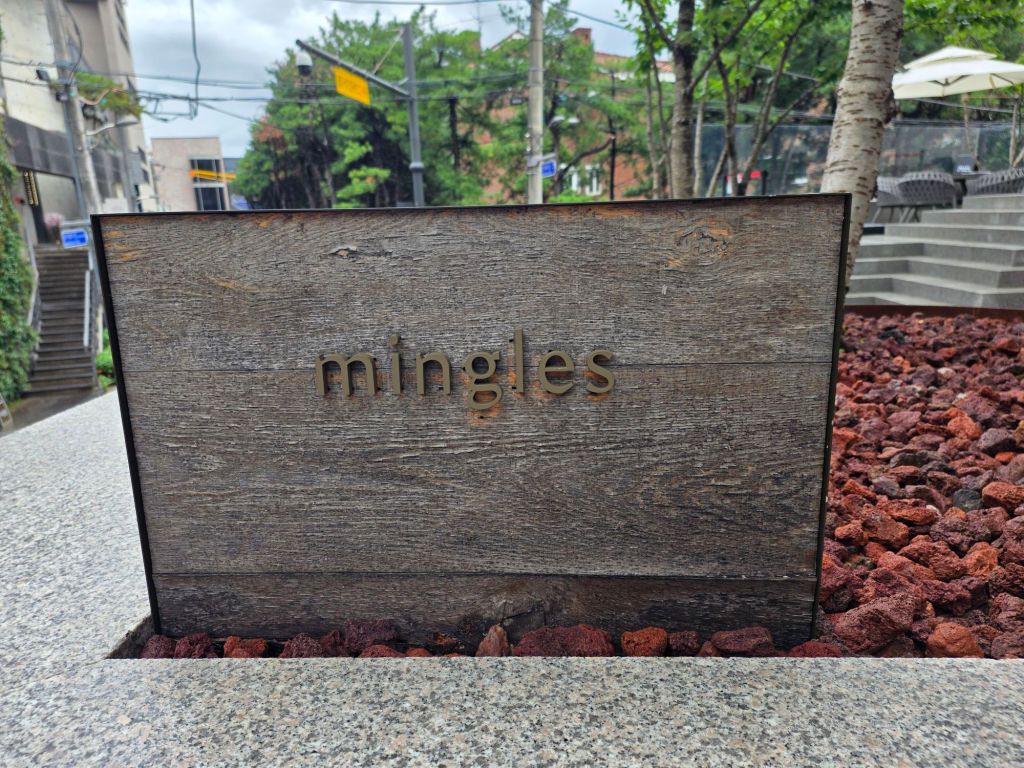
Mingles is currently Seoul’s only three-Michelin-starred restaurant. As its name suggests—derived from “mingle”—the restaurant presents cuisine that blends Korean cooking with Western techniques, placing it squarely in the category of innovative Korean dining. Its chef, Kang Min-goo, served as executive chef of Nobu’s Bahamas location in his late twenties, and today runs both Mingles and Hansik Goo.
This was my second visit to Mingles. I first came five years ago for lunch, when the restaurant still held two Michelin stars, and today’s visit was also for lunch. The broad strokes of the cooking style haven’t changed, but there have been quite a few changes in the details—and to me, these changes read as positive.
A variety of striking fish dishes caught my eye, and the Korean touches felt considerably bolder than before. What sets Korean cuisine apart is the way jang—doenjang, ganjang, gochujang—harmonizes with vegetables, and in that respect, Mingles’ food would fit comfortably within the category of Korean cuisine itself. Even I, a Korean who isn’t particularly fond of namul dressed in jang, found the dishes genuinely delicious—which makes me think foreign diners won’t find the flavors too pungent or challenging either.
The Mingling Pot, currently served as the restaurant’s signature dish, leaned more toward familiar flavors than the complexity I’d expected, which was a slight disappointment—though if I weren’t Korean, I suspect I would have rated it much more highly. This isn’t to say the dish isn’t delicious. Mingles has become something close to a finished, fully realized restaurant. Innovation and change are still ongoing, but you no longer see overly experimental dishes. I consider this a strength. Many restaurants chasing a third star take overly adventurous risks in developing their signature dishes, and from a diner’s perspective, tasting those dishes isn’t always an enjoyable experience.
Mingles has a very good collection of wines. There are several “fairly” priced wines in the list, but you have to look hard. There are several pairing courses with different price range. Korean spirits pairing, 4 glass pairing, selected pairing and signature pairing. Regular 4 glass pairing was ~200,000KRW (~135USD) and the signature pairing was ~800,000KRW (~550USD).
One of my friend ordered a regualar 4 glass pairing and received a glass of champagne, a glass of Austrian natural sauvignon blanc, a glass of Meursault village and a glass of Barbaresco. Champagne could be upgraded to a glass of Dom Perignon P2 2008 for 120,000KRW (~80USD).
I saw a bottle of Angelus sitting on the sommelier table with a stopper, so that could be served for signature or selected paring course.
Reservation:
https://www.catchtable.net/explore/shop/mingles
Reservation Difficulty: Very difficult.
Reservation opens on the 1st day of every month, for two months ahead (reservation for October opens on 1st of August). The restaurant gets fully booked within a minute.
Cost:
Lunch 320,000 KRW (~210USD)
DInner 420,000KRW (~280USD)
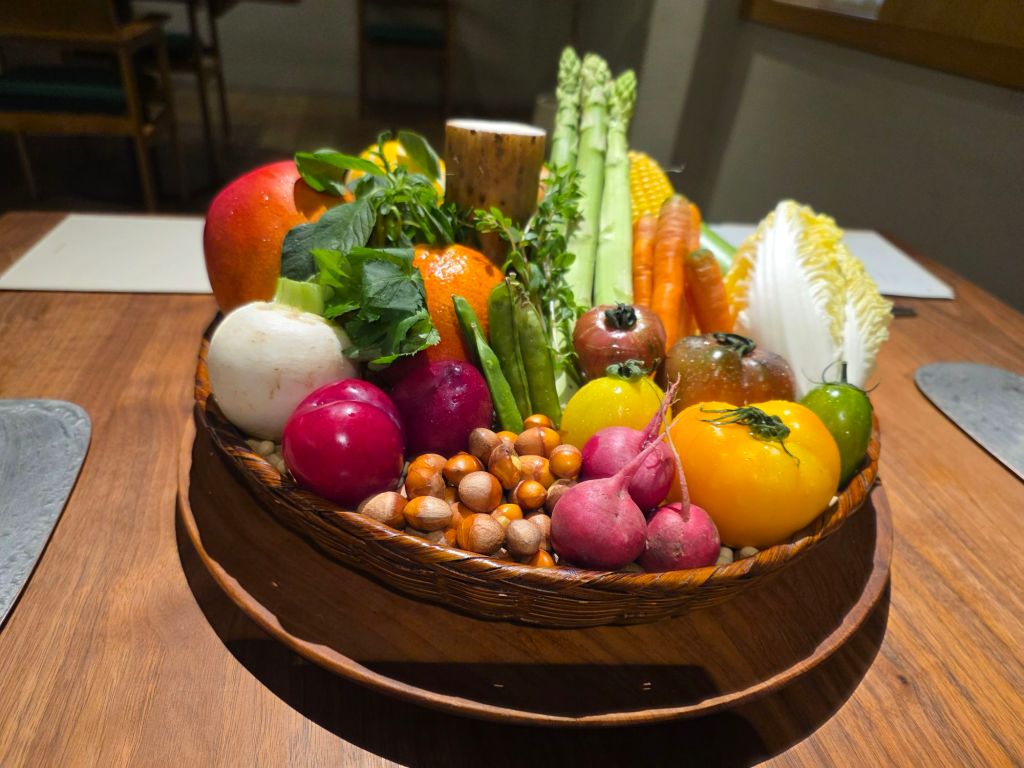
Fresh farm to table ingredients
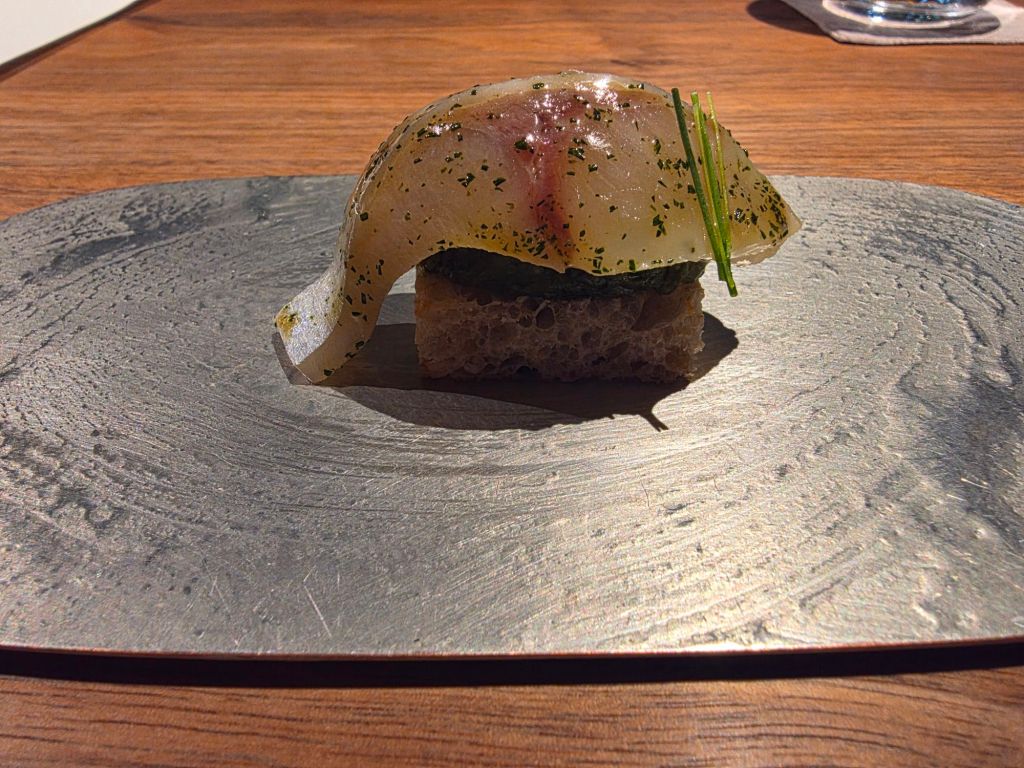
Aji (Horse Mackerel) toast
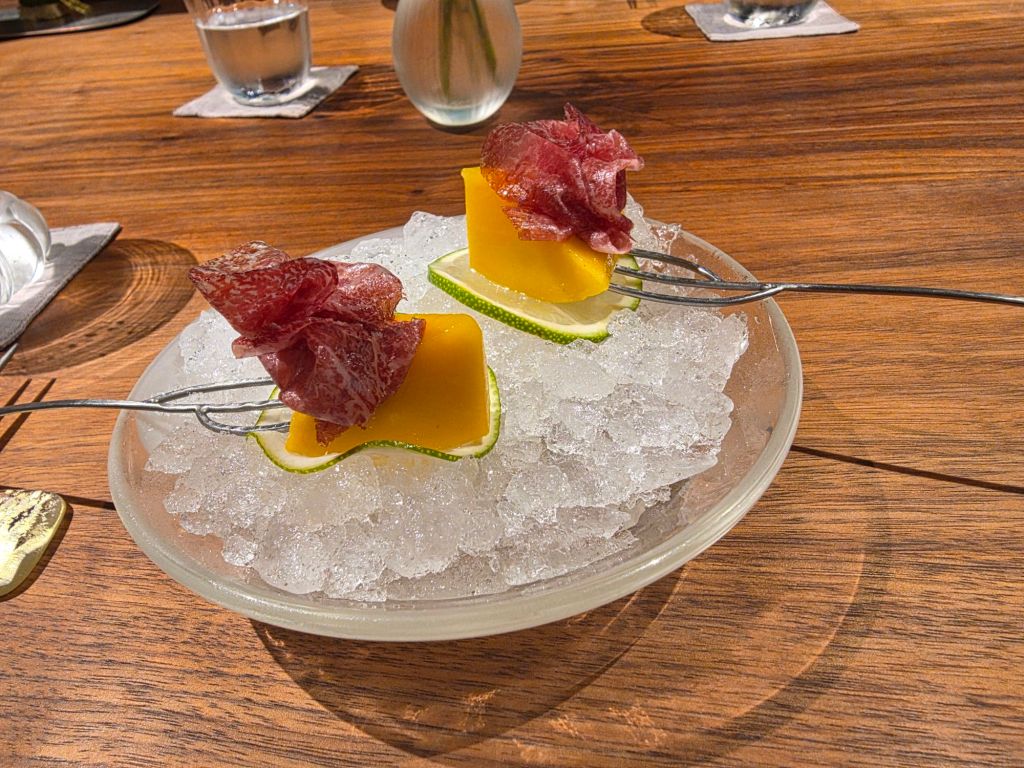
Hanwoo (Korean Beef) & Mango Bresaola
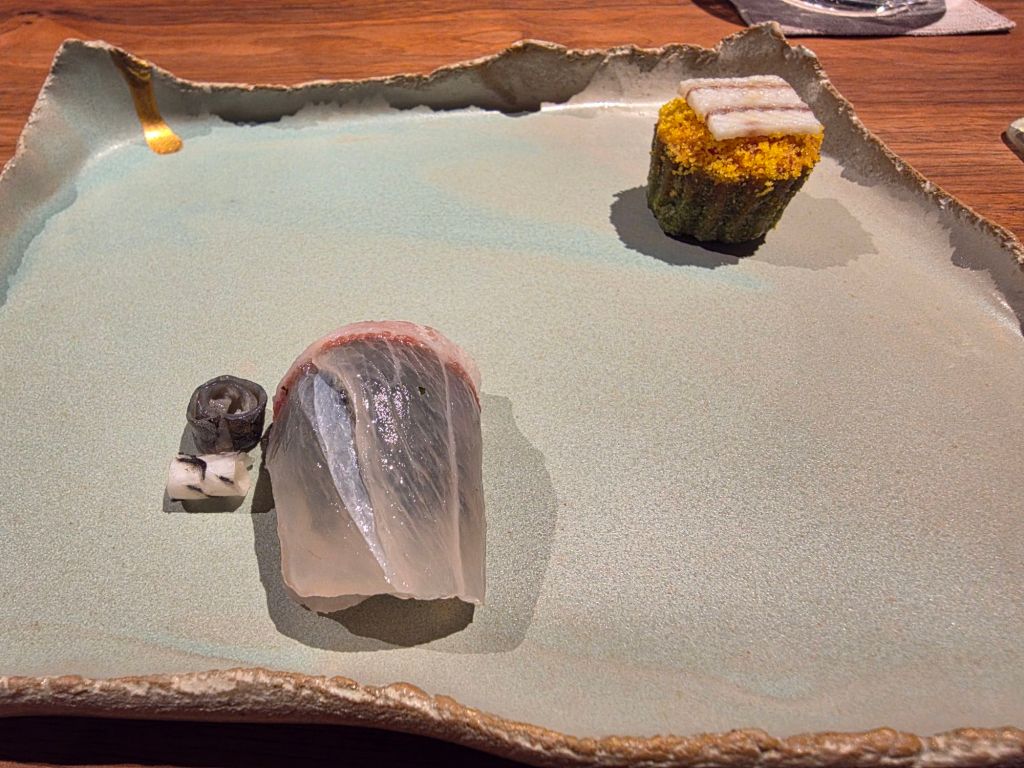
Croaker(left) and beef tartare with eel (right)
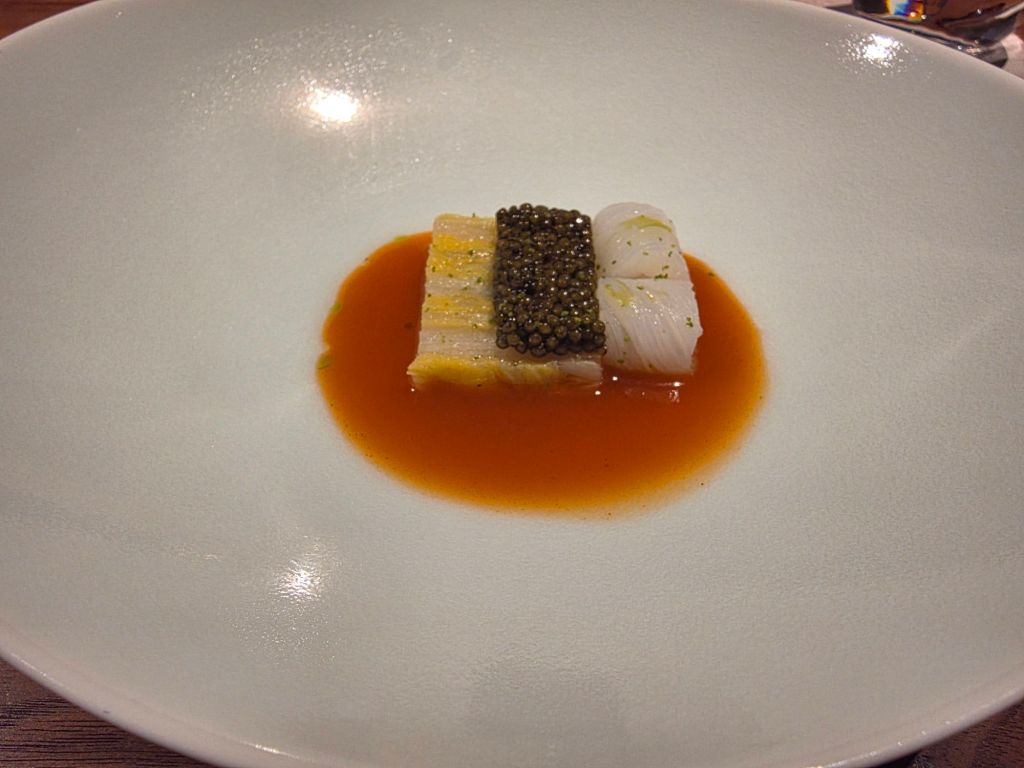
Caviar, cabbage mille-feuille and calamari
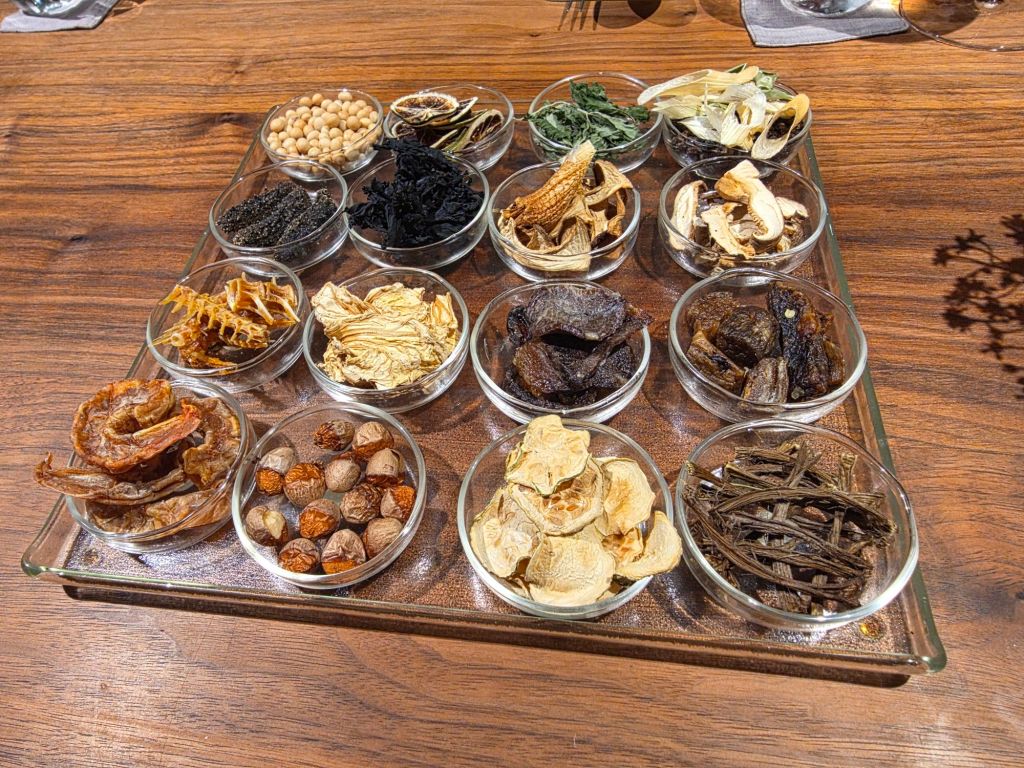
Ingredients for Mingling pot. Dried shrimps, beef briskets, ribs and others
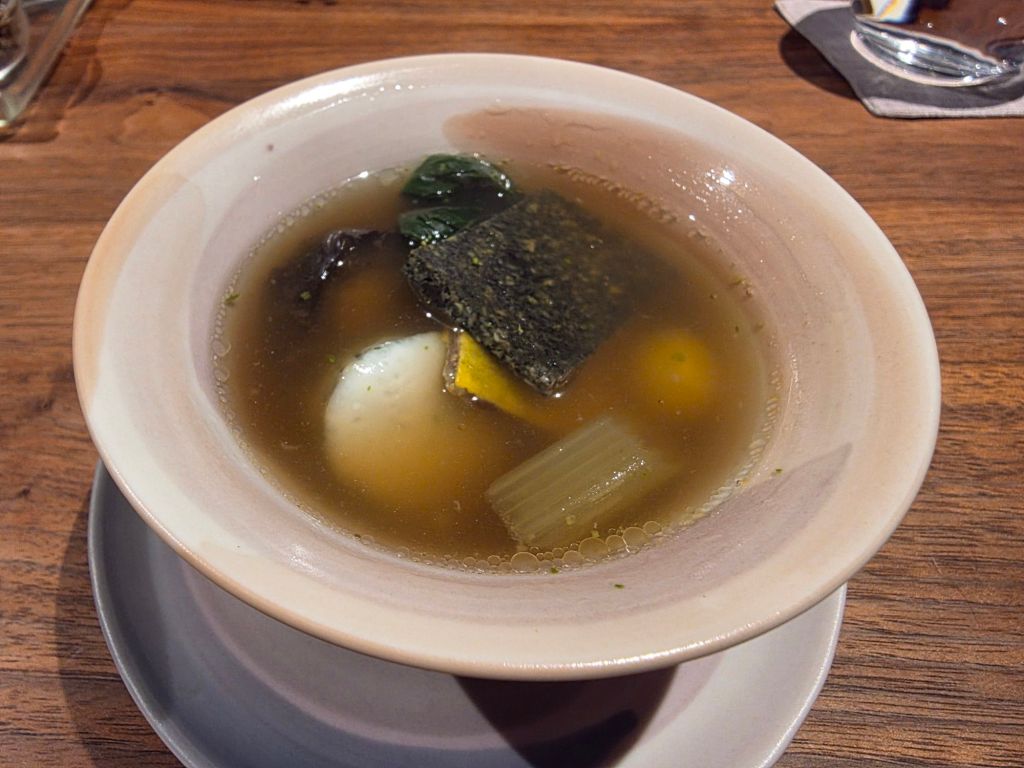
Mingling Pot dish
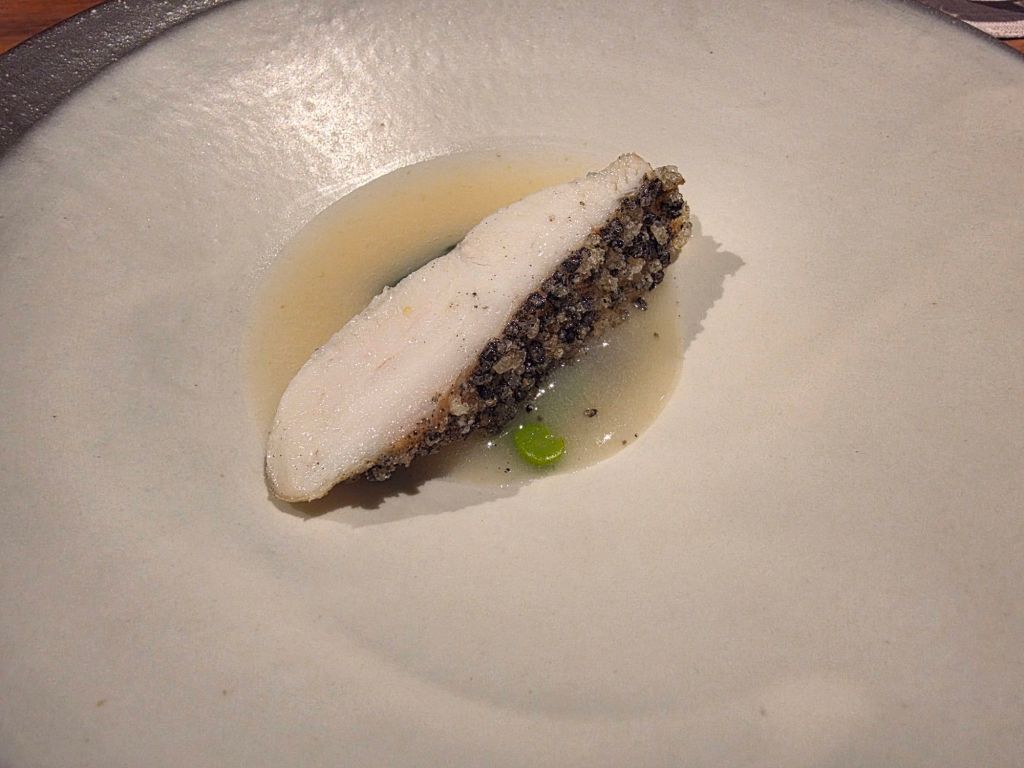
Butterfish roast on fish porrige
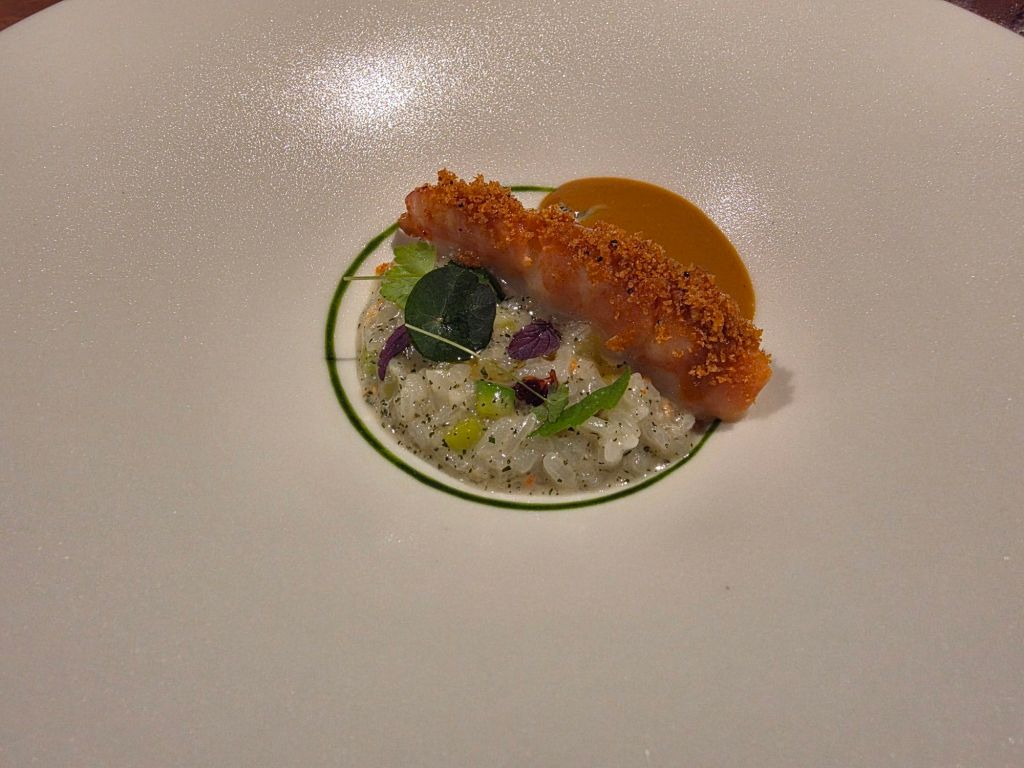
Shrimp stew on risotto
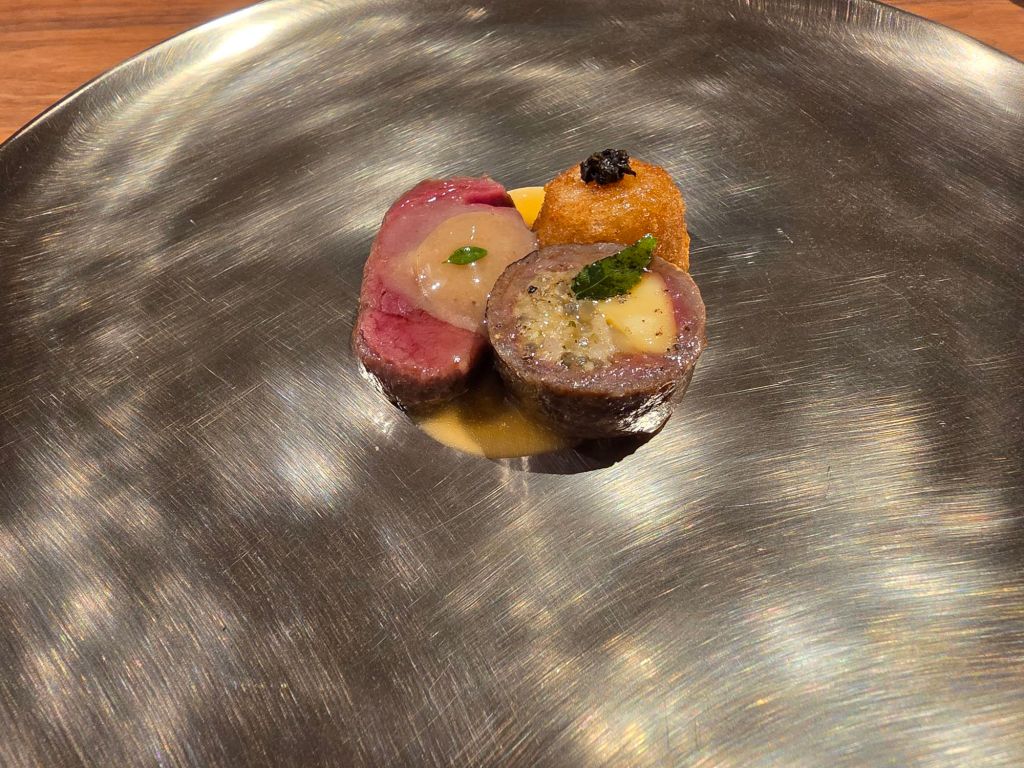
Hanwoo steak, abalone & pork rolled with beef, fried yam
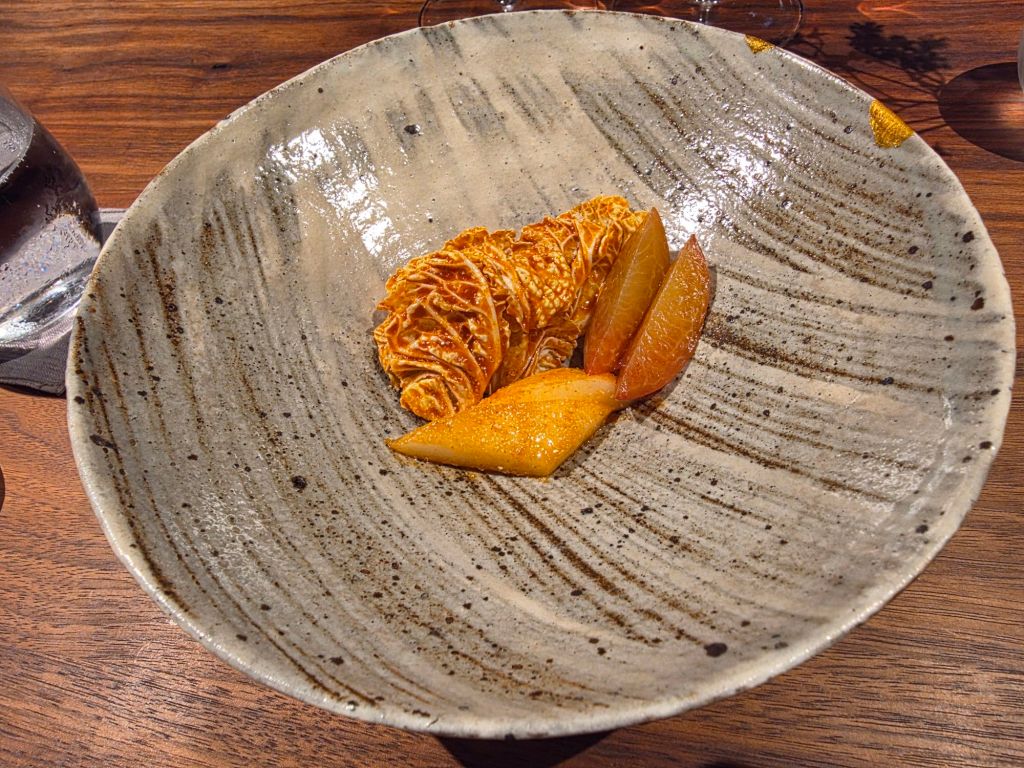
Assorted Kimchi side
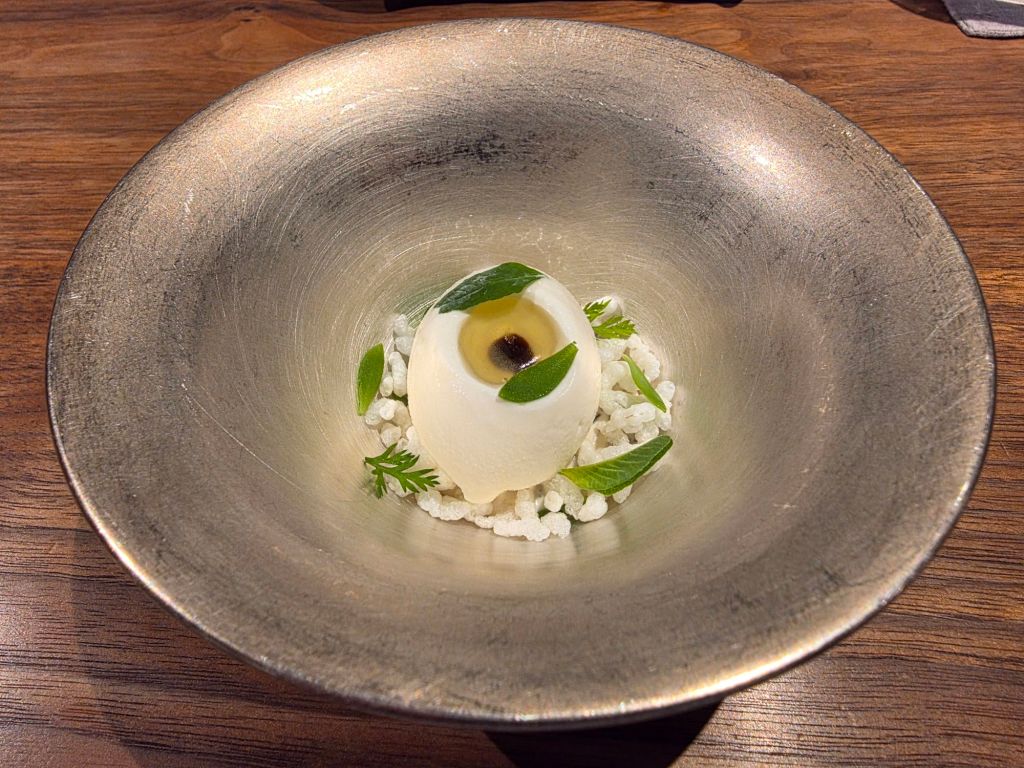
Sweet Bibimbap (Icecream with barley)
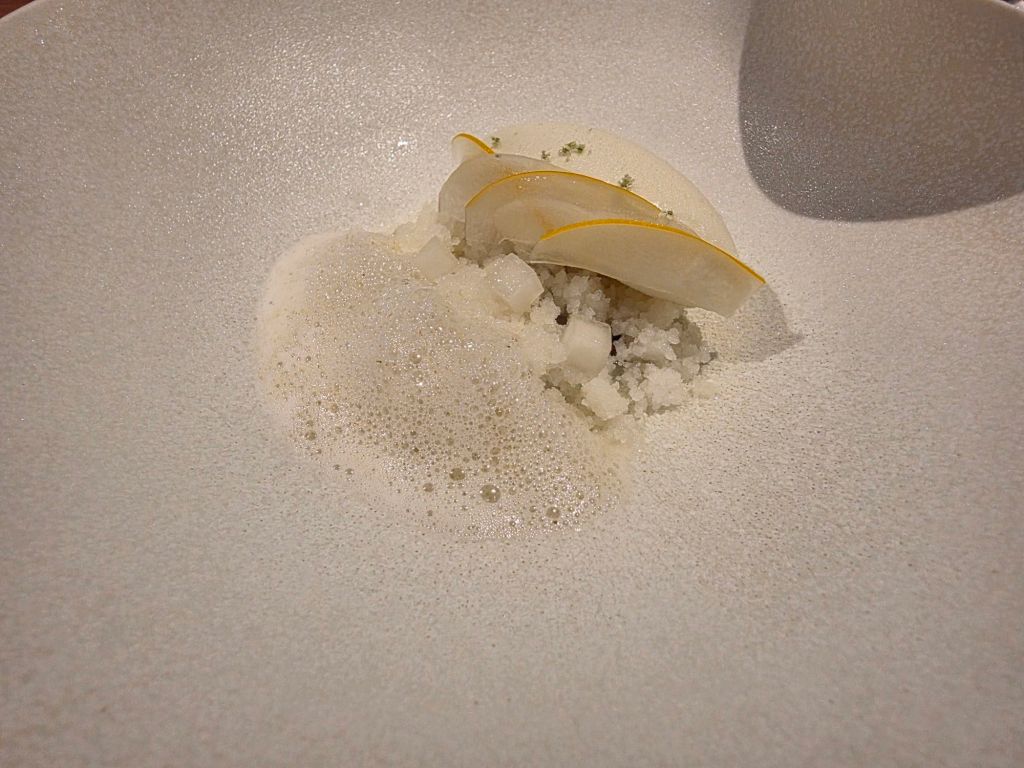
Korean melon & Ice cream
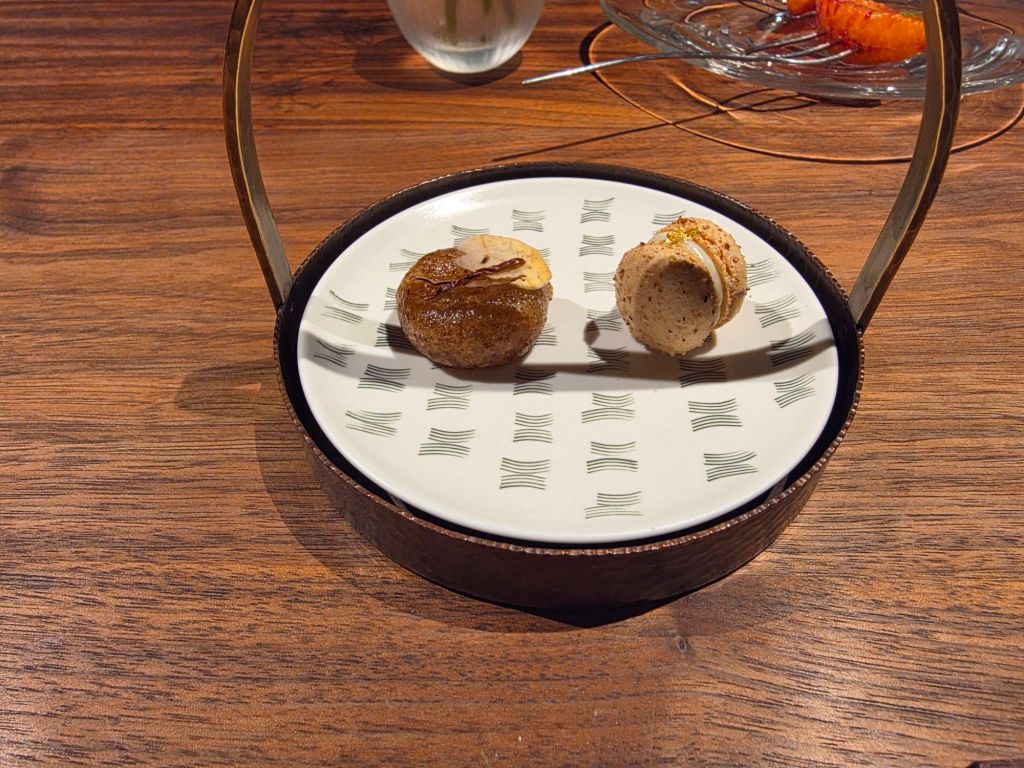
Juak, a Korean traditional chewy pastry and a small macaron
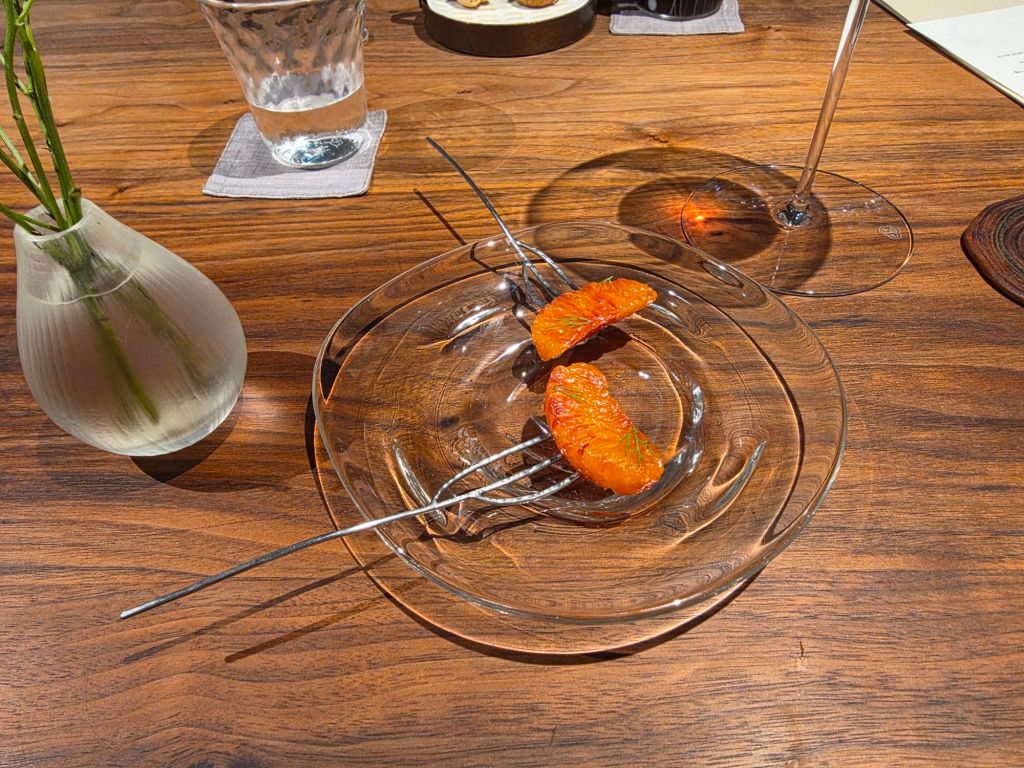
Bloody orange with pepper oil
 Cork and Chopsticks
Leave a comment